Introduction
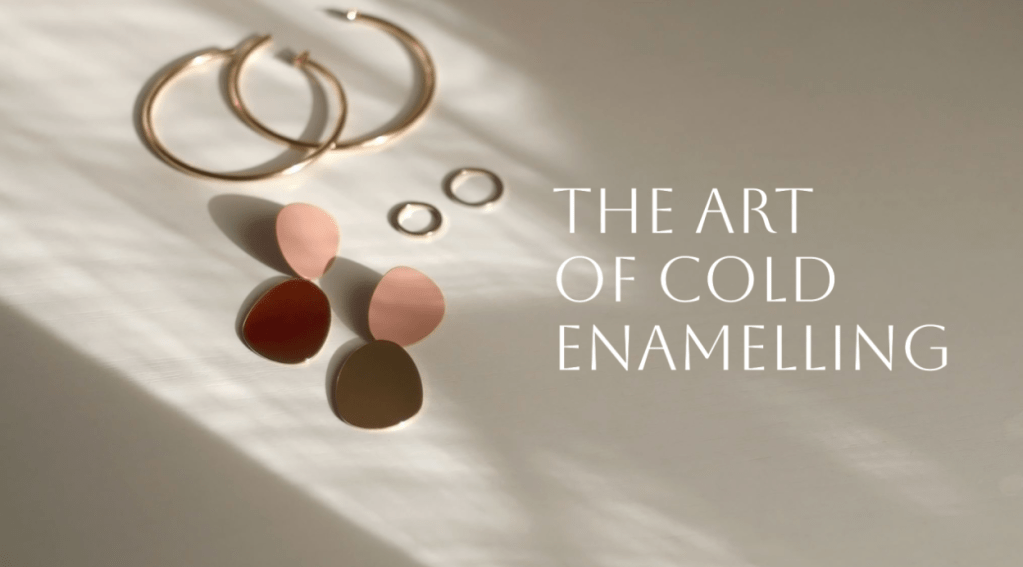
Enamelling is a centuries-old technique that brings vivid colour and intricate designs to jewellery. Traditionally, enamelling requires high temperatures to fuse powdered glass to metal. While this technique is still in use, an alternative has emerged—cold enamelling. This method allows jewellery makers and artisans to achieve the same vibrant colours quickly and simply. In this blog, we’ll explore cold enamelling and why it has become so popular in jewellery.
What is Cold Enamelling?
Cold enamelling is a process that uses resin-based or epoxy-based materials that is used to apply onto a surface. Unlike traditional enamelling, which requires firing at temperatures of up to 1500°F (815°C), cold enamelling involves mixing and applying a two-part resin that hardens at room temperature. The result is a glossy, durable, and vibrant finish.
How Cold Enamelling Works
The advantage of cold enamelling over “hot enamel” is its simplicity and quick turnaround. Unlike hot enamel, epoxy-based enamel can be applied after the pieces are finished. Here are the basic steps:
- Surface Preparation – The metal or jewellery piece is cleaned thoroughly to remove any dirt, oils, or oxidation. This ensures better adhesion of the enamel.
- Mixing the Resin – The two-part resin system (resin and hardener) is mixed according to the manufacturer’s instructions. Pigments can be added to create the desired colours.
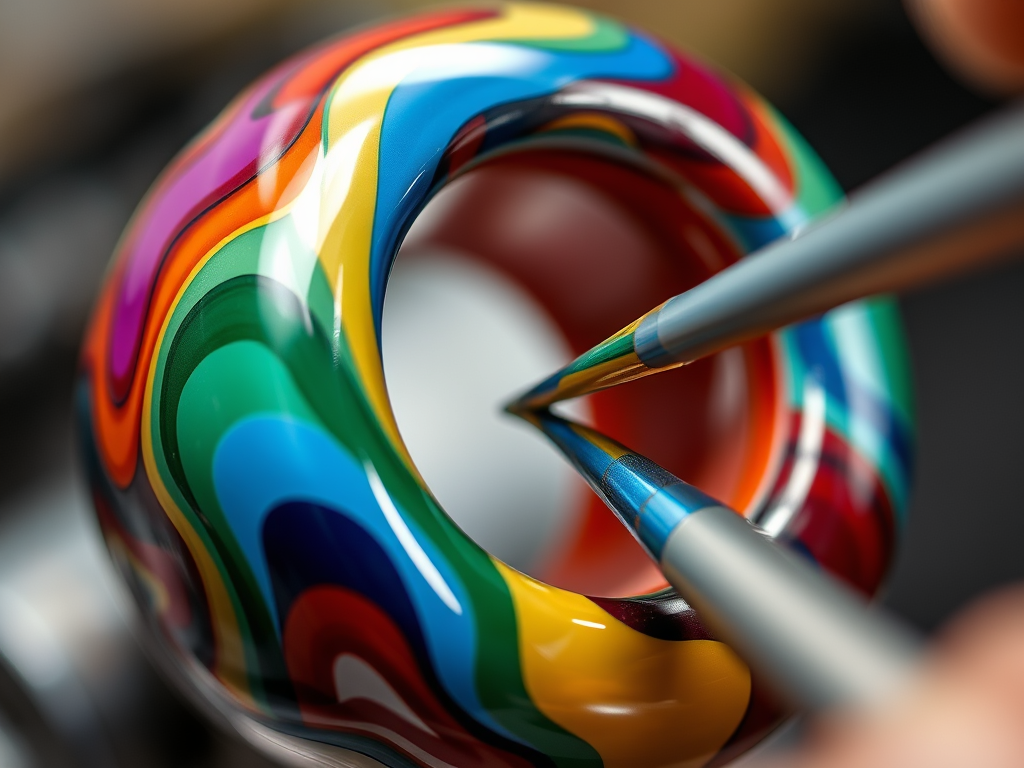
- Application – The mixed resin is carefully applied to the jewellery piece using syringes. Some artisans use multiple layers to achieve depth and a richer colour.
- Curing – The resin is left to cure at room temperature or according to manufacturer instructions, which can take anywhere from a few hours to 24 hours, depending on the formulation and thickness.
- Finishing Touches – Once fully hardened, the enamel will give off a smooth and shiny finish. Ready for QC and shipping.
Benefits of Cold Enamelling
Cold enamelling offers numerous advantages, making it an attractive option for jewellery designers and manufacturers alike:
- No Kiln Required – Unlike traditional enamelling, there is no need for high-heat firing which can bend or warp the jewellery pieces.
- Versatility – Can be applied to a wide range of materials, including metals, wood, ceramics, and even plastics.
- Wide Colour Range – Customisable pigments allow for an endless variety of shades and effects. Glossy, matte, glitter and transparent finishes can be achieved.
Tips for Successful Cold Enamelling
To achieve the best results with cold enamelling, keep these tips in mind:
- Work in a Dust-Free Environment – Tiny dust particles can settle on the resin and create imperfections.
- Use High-Quality Pigments – For the best colour vibrancy and longevity, invest in high-quality resin.
- Apply Thin Layers – Thick applications can result in bubbles or uneven curing.
- Experiment with Effects – Mix metallic powders, glitter, or translucent pigments for unique finishes.
Conclusion
Cold enamelling is revolutionising the way jewellery designers incorporate colour into their creations. Whether you’re looking to enhance your jewellery pieces or explore a new artistic expression, cold enamelling offers endless creative experiments and possibilities.
If you are looking for high-quality, professional enamelling services, Rainbow Magic Jewellery colouring service is here to help! Whether you need custom-coloured enamelling, restoration of enamel jewellery, or vibrant, durable finishes, we have the expertise and craftsmanship to bring your vision to life. Our cold enamelling techniques ensure a stunning, long-lasting finish, perfect for jewellery designers, brands, and individuals seeking top-tier results. Please feel free to reach out to us or visit our office in Bangkok.
 Rainbow Magic Jewellery