Author: Jamie

  • London Fashion Week 2025-2026: How Pantone’s Colour Trends Influence Jewellery Design

    London Fashion Week 2025-2026: How Pantone’s Colour Trends Influence Jewellery Design

    A Season of Heritage & Innovation in Colour: Brief summary of Pantone’s article

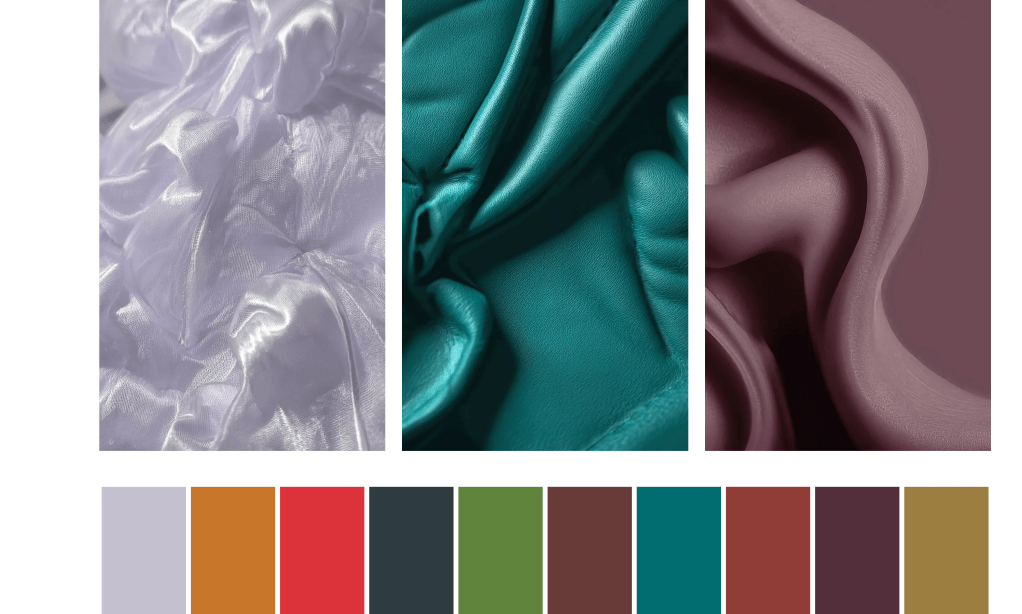
    London Fashion Week always sets the tone for upcoming trends, and Pantone’s A/W 2025-2026 Colour Trend Report reveals a palette that blends classic heritage with modern creativity. Rich earth tones, deep reds, moody blues, and soft, tinted neutrals are what embrace this season’s hues. All of which create new opportunities for jewellery designers to experiment with colour.

    Here’s a quick rundown of Pantone’s top colours for A/W 2025-2026:

    Earthy & Heritage-Inspired Hues – Think warm browns, muted greens, and deep ochres, inspired by nature and vintage aesthetics.

    Moody Blues & Passionate Reds – A mix of deep maroons, navy blues, and rich burgundies adds elegance and drama to seasonal collections.

    Soft Tinted Whites & Lavender Blues – These subtle, cool-toned pastels offer a refined, modern look.

    Eco-Inspired Greens & Blues – Shades that reflect sustainability and a growing focus on nature in fashion.

    These colour trends don’t just apply to clothing; they influence every aspect of design, from accessories to footwear—and, of course, jewellery.

    How Fashion & Jewellery Influence Each Other

    Jewellery and fashion have always been deeply interconnected. Whether it’s clothing or accessories, designers’ creations feed into a broader aesthetic.

    For example, the runway looks of major fashion houses dictate the styles and materials used in jewellery. When designers embrace bold colours, statement silhouettes, or vintage aesthetics, jewellery follows suit. Think of Art Deco in the 1920s or the chunky gold chains of the ‘80s—jewellery reflects the mood of an era.

    At the same time, jewellery can also influence fashion trends. Statement pieces—like Gucci’s colourful enamel rings or Chanel’s bold, gem-toned brooches. These often drive designers to incorporate similar hues into clothing, creating a cohesive, colour-driven trend cycle.

    With Pantone’s A/W 2025-2026 colours setting the stage, jewellery designers have the chance to align their collections with high-fashion trends by using custom enamel finishes in trending shades

    Jewellery Enamelling: A Timeless Technique for Modern Design

    Enamelling is one of the oldest and most versatile techniques in jewellery-making, offering vibrant colour, durability, and artistic freedom. By applying epoxy resin enamel onto metal, designers can create rich, glossy, and long-lasting finishes.

    While there are stigma on epoxy redsin enamel being a cheap product, that could not be further from the truth. With the power of branding and high-end craftsmanship, many luxury brands incorporate enamelling into their signature designs. Here are three brands that use enamel effectively:

    1. Cartier

    Known for their Panthère collection, Cartier often uses enamel to add depth and realism to its intricate animal designs. Their high-contrast black and white enamel work is iconic in fine jewellery.

    2. Bvlgari

    Bvlgari frequently integrates bold enamel colours into their Serpenti collection, playing with deep reds, vibrant blues, and rich greens to enhance their snake-inspired motifs.

    3. Gucci

    Gucci has revived vintage-style enamel jewellery, using it to create playful, logo-driven designs. Their floral motifs, signet rings, and coloured enamel accents are key elements of their recent collections.

    With enamel becoming a must-have element in modern jewellery, brands and manufacturers need a reliable enamelling partner to bring these trends to life.

    4. Tiffany & Co

    With its iconic Tiffany Blue, Tiffany & Co. uses enamel to bring vibrant colour to its jewellery, making pieces instantly recognisable as Tiffany creations. Examples include the Ladybug Charm and various enamel-accented collections.

    Why Work with Rainbow Magic Jewellery Colouring?

    At Rainbow Magic Jewellery Colouring, we specialise in high-quality, custom jewellery enamelling for designers and manufacturers. Whether you’re creating trend-driven statement pieces or timeless enamel accents, we help you achieve flawless, fashion-forward results.

    What We Offer:

    Custom Colour Matching – Get the exact Pantone-inspired hues to match seasonal trends.
    Reliable Craftsmanship – Precision enamelling ensures smooth, vibrant finishes.
    On-Time Delivery – We understand production timelines and deliver accordingly.
    No Minimum Order – Perfect for both prototyping and full-scale production.
    Exceptional Customer Service – We work closely with you to bring your designs to life.

    Stay Ahead of Trends with Custom Enamel Jewellery

    As the jewellery industry embraces A/W 2025-2026’s colours, this is the perfect time to experiment with custom enamel finishes. Whether you’re inspired by earthy neutrals, deep reds, or soft pastels, we can help you incorporate these trends into your next jewellery collection.

    Let’s create something extraordinary together! Contact us today. 
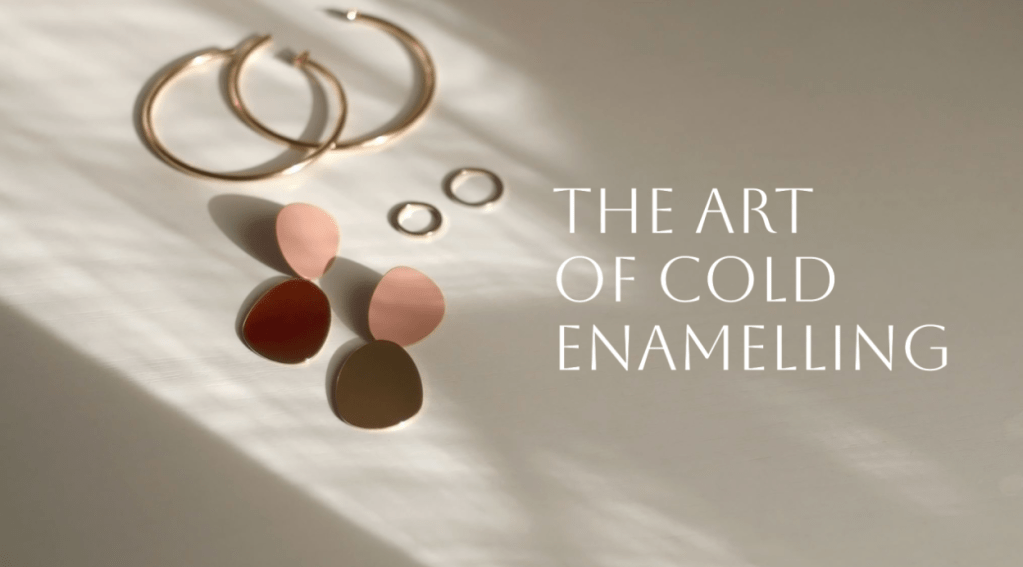
  • The Art of Cold Enamelling: A Modern Approach to Vibrant Jewellery

    The Art of Cold Enamelling: A Modern Approach to Vibrant Jewellery

    Introduction

    Enamelling is a centuries-old technique that brings vivid colour and intricate designs to jewellery. Traditionally, enamelling requires high temperatures to fuse powdered glass to metal. While this technique is still in use, an alternative has emerged—cold enamelling. This method allows jewellery makers and artisans to achieve the same vibrant colours quickly and simply. In this blog, we’ll explore cold enamelling and why it has become so popular in jewellery.

    What is Cold Enamelling?

    Cold enamelling is a process that uses resin-based or epoxy-based materials that is used to apply onto a surface. Unlike traditional enamelling, which requires firing at temperatures of up to 1500°F (815°C), cold enamelling involves mixing and applying a two-part resin that hardens at room temperature. The result is a glossy, durable, and vibrant finish.

    How Cold Enamelling Works

    The advantage of cold enamelling over “hot enamel” is its simplicity and quick turnaround. Unlike hot enamel, epoxy-based enamel can be applied after the pieces are finished. Here are the basic steps:

    1. Surface Preparation – The metal or jewellery piece is cleaned thoroughly to remove any dirt, oils, or oxidation. This ensures better adhesion of the enamel.
    2. Mixing the Resin – The two-part resin system (resin and hardener) is mixed according to the manufacturer’s instructions. Pigments can be added to create the desired colours.
    3. Application – The mixed resin is carefully applied to the jewellery piece using syringes. Some artisans use multiple layers to achieve depth and a richer colour.
    4. Curing – The resin is left to cure at room temperature or according to manufacturer instructions, which can take anywhere from a few hours to 24 hours, depending on the formulation and thickness.
    5. Finishing Touches – Once fully hardened, the enamel will give off a smooth and shiny finish. Ready for QC and shipping.

    Benefits of Cold Enamelling

    Cold enamelling offers numerous advantages, making it an attractive option for jewellery designers and manufacturers alike:

    • No Kiln Required – Unlike traditional enamelling, there is no need for high-heat firing which can bend or warp the jewellery pieces.
    • Versatility – Can be applied to a wide range of materials, including metals, wood, ceramics, and even plastics.
    • Wide Colour Range – Customisable pigments allow for an endless variety of shades and effects. Glossy, matte, glitter and transparent finishes can be achieved.

    Tips for Successful Cold Enamelling

    To achieve the best results with cold enamelling, keep these tips in mind:

    • Work in a Dust-Free Environment – Tiny dust particles can settle on the resin and create imperfections.
    • Use High-Quality Pigments – For the best colour vibrancy and longevity, invest in high-quality resin.
    • Apply Thin Layers – Thick applications can result in bubbles or uneven curing.
    • Experiment with Effects – Mix metallic powders, glitter, or translucent pigments for unique finishes.

    Conclusion

    Cold enamelling is revolutionising the way jewellery designers incorporate colour into their creations. Whether you’re looking to enhance your jewellery pieces or explore a new artistic expression, cold enamelling offers endless creative experiments and possibilities.

    If you are looking for high-quality, professional enamelling services, Rainbow Magic Jewellery colouring service is here to help! Whether you need custom-coloured enamelling, restoration of enamel jewellery, or vibrant, durable finishes, we have the expertise and craftsmanship to bring your vision to life. Our cold enamelling techniques ensure a stunning, long-lasting finish, perfect for jewellery designers, brands, and individuals seeking top-tier results. Please feel free to reach out to us or visit our office in Bangkok.

  • Cold Enamelling: Step-by-Step Guide

    Cold Enamelling: Step-by-Step Guide

    Cold enameling, also known as epoxy enameling, is a fantastic technique for adding vibrant color to your jewellery without the need for a kiln. It’s a versatile process that allows you to create stunning pieces with a wide range of effects. Let’s dive into the steps involved in cold enamelling.   

    Materials Needed:

    • Cold enamel (epoxy resin with pigment)   
    • Hardener   
    • Mixing cups and sticks   
    • Jewelry piece (metal, ceramic, or other suitable material)
    • Toothpicks or needles (for detail work)

    Preparation:

    1. Clean your jewelry piece: Ensure the surface is clean, dry, and free from any oils or residues. This will help the enamel adhere properly.   
    2. Prepare your workspace: Work in a well-ventilated and well-lit envirenment (use cool-light to get the most accurate colours).

    Mixing the Enamel:

    1. Measure: Carefully measure the epoxy resin and hardener according to the manufacturer’s instructions. Typically, it’s a 2:1 ratio (two parts resin to one part hardener).   
    2. Mix: Combine the resin and hardener in a clean mixing cup. Stir thoroughly for several minutes to ensure a consistent mixture. Avoid creating air bubbles as this will show in the final piece.   

    Applying the Enamel:

    1. Apply the first coat: Using a toothpick, brush, or applicator, apply a thin, even layer of enamel to your jewelry piece. Be careful not to overload the surface.
    2. Add details: If desired, use toothpicks or needles to create designs, patterns, or textures within the wet enamel.
    3. Apply additional coats: For thicker or more opaque coverage, allow the first coat to cure partially (check the manufacturer’s instructions for curing time), then apply additional coats as needed.

    Curing the Enamel:

    1. Allow to cure: Place your jewelry piece in a dust-free environment and let it cure completely according to the manufacturer’s instructions. This typically takes 24-48 hours.
    2. Finishing touches: Once cured, you can apply a protective topcoat if desired.

    Tips for Success:

    • Work quickly: Once the epoxy and hardener are mixed, you have a limited working time before the mixture starts to cure.
    • Avoid air bubbles: Stir gently to minimize the formation of air bubbles, as these can affect the appearance of the finished piece. Use a lighter to gently reduce bubbles.

    Cold enameling is a rewarding and versatile technique that opens up endless possibilities for your jewellery designs.

    Contact us for any specific design ideas you may have on your jewellery pieces.

  • What is jewellery enamelling?

    What is jewellery enamelling?

    Cold Enamelling

    Adding a splash of colour to your jewellery designs is a fantastic way to make them truly unique. While traditional enamelling involves fusing glass powder to metal at high temperatures, cold enamelling or epoxy enamel provides a simpler way to add colour to jewellery and other items.

    What is Cold Enamelling?

    Cold enamelling isn’t actually enamel in the traditional sense. Instead, it’s a two-part epoxy resin mixed with pigments to create a coloured, glossy finish. Unlike vitreous enamel (glass enamel), cold enamelling doesn’t require a kiln which heats up metal to fuse with glass pigments. It cures at room temperature which doesn’t damage the surfaces.

    Types of Cold Enamelling:

    At Rainbow Magic Jewellery, we offer a variety of finishes from our catalog. This includes:

    • Solid Colours
    • Pearl effect
    • UV pigment

    Benefits of Cold Enamelling for Jewellery:

    • Create intricate painted designs: Our skilful team can create delicate and artistic designs.
    • Wide range of colours: Custom colours can be made to match the exact look.
    • Versatile applications: Can be used on various metals, composites and for different jewellery components.

    Ready to try enamelling?

    Cold enamelling is a fantastic way to add a unique deigns to your jewellery creations. Please do not hesitate to get in touch with us for and get started on bringing your colourful jewellery designs to life!

    Go back

    Your message has been sent